

Premenstrual Syndrome (PMS) and its effects on women’s health
Premenstrual Syndrome (PMS) and its effects on women’s health
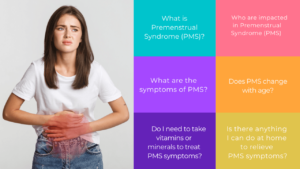
Many women experience physical and emotional fluctuations a week prior to their onset of menstrual cycle. These recurring symptoms are commonly referred to as premenstrual syndrome (PMS). Premenstrual disorders can have a significant impact on a woman’s quality of life and work productivity. It impact overall women’s well-being, relationships, and daily activities. Understanding premenstrual syndrome, signs and symptoms are important for women seeking relief and effective management strategies. By exploring more about the management of premenstrual disorders and their impact on women, individuals can find helpful insights to diagnose the challenges associated with premenstrual syndrome condition can improve quality of life.
Who are impacted in Premenstrual Syndrome (PMS)
Most women, over 90%, say that they experience premenstrual symptoms, such as bloating, cramps or abdominal pain, irritability, mastalgia, fatigue and back pain. For some women, these symptoms are so severe that they struggle to wake up and start her day. Statistical data indicates that women in 30’s have the highest likelihood of developing Premenstrual Syndrome (PMS). Understanding the prevalence of PMS in different age groups and its impact on daily activities from working ladies to teenagers & need of the hour is a comprehensive management of PMS.
Source: Winer, S. A., Rapkin, A. J. (2006). Premenstrual disorders: prevalence, etiology and impact. Journal of Reproductive Medicine; 51(4 Suppl):339-347.
What are the symptoms of PMS?
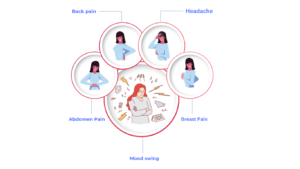
Physical symptoms associated with Premenstrual Syndrome (PMS) includes bloating, breast tenderness or swelling, headaches, fatigue and changes in appetite. Women with Premenstrual Syndrome (PMS) may also experience emotional and psychological symptoms such as mood swings, irritability, anxiety, depression, and difficulty concentrating. Behavioural changes, such as increased food cravings, insomnia or social withdrawal are also observed.
Does PMS change with age?
Women who enter the phase of perimenopause in their late 30’s or 40’s, the symptoms of Premenstrual Syndrome (PMS) may intensify. This is particularly seen in women who are emotionally responsive to fluctuations in hormone levels during their menstrual cycle. In the period leading up to menopause, hormone levels in the body fluctuate unpredictably and causing mercurial behaviour. However, once menopause occurs and menstruation ceases, Premenstrual Syndrome (PMS) symptoms subsidize.
Do I need to take vitamins or minerals to treat PMS symptoms?
Research indicates that specific vitamins and minerals may provide relief for certain Premenstrual Syndrome (PMS) symptoms. It’s important to note that the Food and Drug Administration (FDA) does not oversee vitamins, minerals, and herbal supplement as it does by medicines. Therefore, Doctors’ advice & guidance is very important.
Based on research, below minerals may be helpful in easing PMS symptoms:-
- Calcium: Research indicates that calcium can be beneficial in reducing certain Premenstrual Syndrome (PMS) symptoms like fatigue, cravings and depression. Calcium is naturally present in foods like milk, cheese and yogurt.
- Magnesium: Magnesium might be helpful in easing certain premenstrual syndrome (PMS) symptoms, like migraines. If you experience migraines during your period, it is recommended to consult with your doctor to determine if you require additional magnesium. Magnesium is naturally found in green and leafy vegetables such as spinach, as well as in nuts, whole grains, and fortified cereals.
Source :Office of Dietary Supplements. (2016). Magnesium.
Is there anything I can do at home to relieve PMS symptoms?
- Engage in consistent aerobic exercise: A research study found that engaging in regular aerobic activities, such as brisk walking, running, cycling, or swimming can lead to a significant decrease in Premenstrual Syndrome (PMS) symptoms.
- Prioritize sufficient sleep: Insufficient sleep is associated with increased depression and anxiety. Hence, it is crucial for women experiencing Premenstrual Syndrome (PMS) to aim for a mandatory 8 hours of sleep.a
- Avoid unhealthy habits: Women who smoke have reported experiencing more problematic premenstrual symptoms and worse compared to non-smoking women. Therefore, it is advisable to say no to smoking and other unhealthy habits during Premenstrual Syndrome (PMS).